Future Homes Standard: What it means for new homes - and why Kensa and GTC are ready

- 3 min read
Today, the Government has formally published the Future Homes Standard, setting out how all new homes in England will be built for a low-carbon future.
After years of uncertainty, the new regulations give clear direction on how homes must cut emissions, lower energy bills and move away from fossil fuels for good.
What is the Future Homes Standard?
The 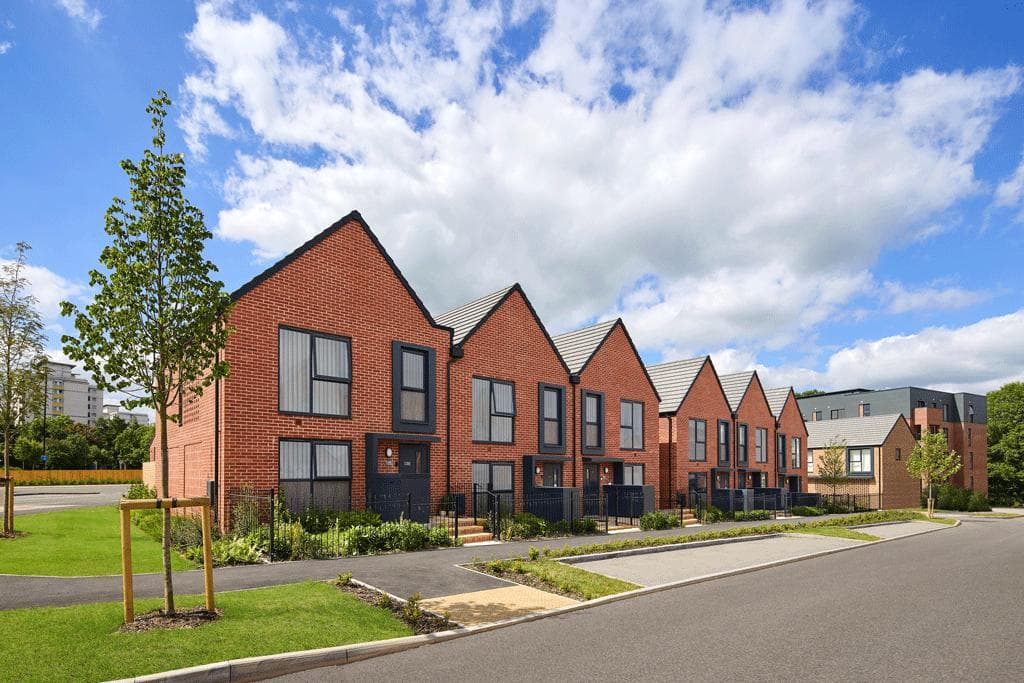 What is the Future Homes Standard and what does it mean for new homes?What is the Future Homes Standard?Future Homes Standard updates Part L of The Building Regulations 2010. In simple terms, it means newly built homes must be clean-heated, highly energy efficient and futureproofed.
Under the new rules, homes will need to achieve at least a 75% reduction in carbon emissions compared with those built to 2013 standards. From 2028, most new homes will:
- No longer connect to the gas network
- Use low-carbon heating, such as ground source heat pumps
- Be built to much higher energy efficiency standards
- Include rooftop solar panels
This policy corrects more than a decade of delay following the scrapping of the Zero Carbon Homes standard in 2015, which has left over a million homes exposed to rising gas prices and global energy shocks.
When do the changes take effect?
The regulations have been laid today, 24 March 2026.
- A 12-month lead-in period means the rules come into force from 24 March 2027
- A 12-month transitional period will follow, meaning sites with foundations laid will be able to continue under previous standards
- And from 24 March 2028, any developments laying foundations must meet the new standard.
This gives developers, manufacturers and installers clarity – and time to prepare – while making it clear that gas has no long-term future in new homes.
Commenting, James Priestley, CEO at Kensa said:
The Future Homes Standard is a hugely positive step. It gives the UK a clear route away from gas and sends a strong signal that clean, efficient heating is the default for new homes.
We firmly believe networked ground source heat pumps are the best solution. Confirmation of the details and timeframe allows us to invest and build our supply chain with confidence, scale UK manufacturing and deliver for our customers.
Why Kensa has partnered with GTC
With gas being phased out of new homes, developers need practical solutions that work at scale, are delivered on time without complication, and won’t overload the electricity grid.
That’s why Kensa partnered with GTC; to deliver the best solution for housebuilders and homebuyers.
What is the GTC x Kensa solution?
Together, GTC and Kensa deliver 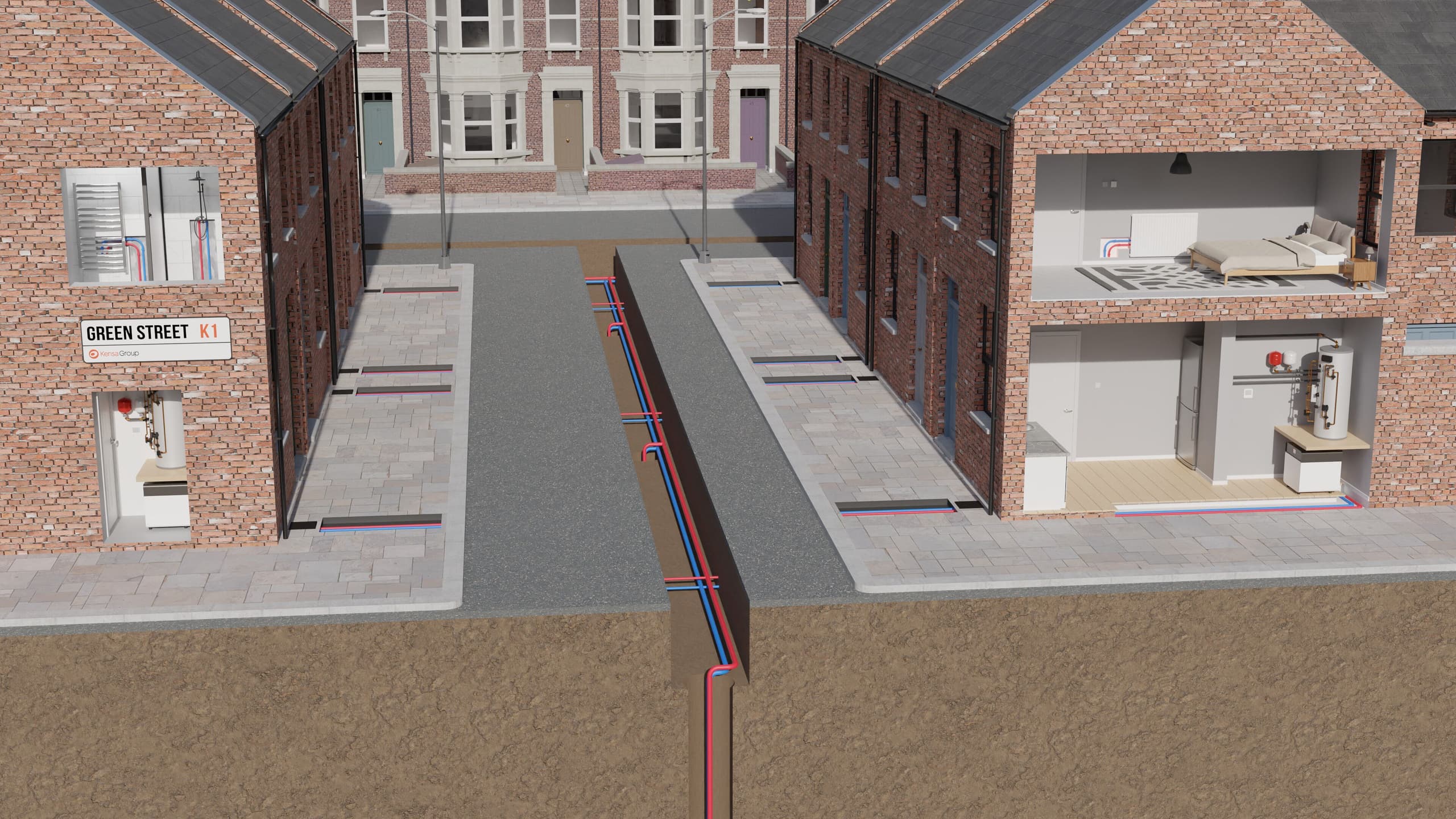 What are Networked Ground Source Heat Pumps?Networked Heat PumpsNetworked Ground Source Heat Pumps for
  New Build DevelopmentsHousing Developmentsnew build developments.
This offers:
- Highly efficient ground source heat pumps in each home
- Shared ground infrastructure installed alongside other utilities
- No requirement for additional grid capacity
- Lower running costs and lower carbon emissions than air source heat pumps
- And of course, total peace of mind with service, maintenance, and replacement wrapped in.
The shared ground infrastructure is designed to last 100+ years, creating a sustainable, robust heat source for developments, and futureproofing homes for generations. A passive cooling option is also available using naturally cool ground temperatures.
What this means for developers and housebuilders
The partnership gives developers a clear, compliant route for Future Homes Standard compliance while maximising value to homebuyers.
David Broom, Sales Director at Kensa, said:
The Future Homes Standard gives developers clarity – but they still need solutions that work on real sites.
Our model with GTC removes procurement complexity and grid upgrade costs, simplifies the build programme, and delivers low bills and peace of mind for homeowners for the lifetime of their ownership.